Custom Powder Blending Services for Nutraceuticals, Chemicals & Specialty Applications
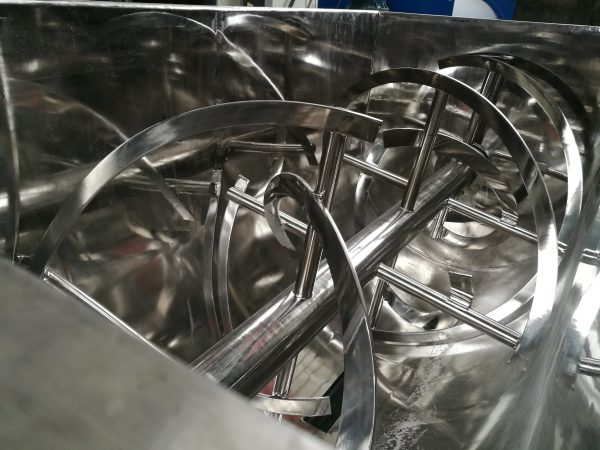
Stainless Steel Ribbon Blenders: Capacities & Sizes in NJ and WV
Milling, pelletizing, granulation, and screening can be done prior to or after blending.
At Toll Compaction, we offer precision powder blending services tailored to meet the unique needs of industries including nutraceuticals, industrial chemicals, functional foods, and polymer additives. Whether you’re preparing materials for milling, pelletizing, granulation, or screening, our facilities in New Jersey and West Virginia provide scalable, compliant, and efficient solutions.
✅ Blending Capabilities
We specialize in high-volume, homogenous blending with strict quality controls:
Batch sizes from 500 to 6,000 lbs, depending on bulk density
Digital scale verification for formulation accuracy
Standardized blending times to ensure consistency
Liquid spray integration via manifold and nozzle systems
cGMP-compliant blending available in our NJ facility
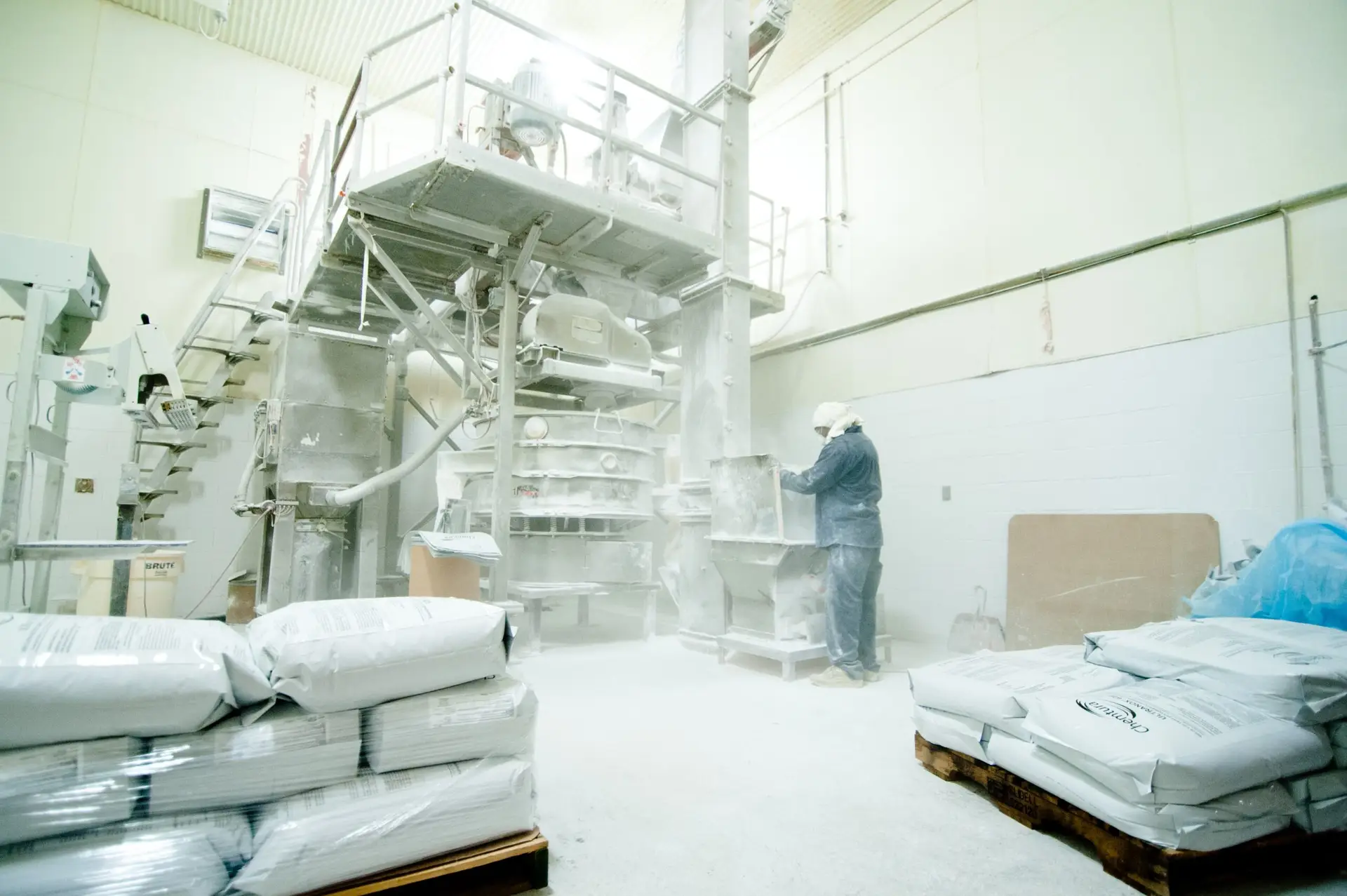
Our blenders are housed in dedicated rooms to prevent cross-contamination and maintain product integrity.
🏭 Equipment & Locations
We operate five industrial-grade ribbon blenders across two facilities:
New Jersey:
(1) 250 cu ft stainless steel double ribbon blender
(1) 80 cu ft stainless steel double ribbon blender (cGMP-dedicated)
West Virginia:
(3) 250 cu ft stainless steel double ribbon blenders
Each blender is capable of discharging into a variety of packaging formats or transferring materials to other processing rooms for granulation or pelletizing.
📦 Packaging & Material Handling
We accept incoming raw materials in:
Paper bags
PE bags
Boxes
Drums
Bulk bags
Finished blends can be packaged in:
Valve bags
Pails
Drums
Bulk bags
We also offer staging for dry granulation or pelletizing post-blend.
💧 Liquid Spray Integration
Our blending systems are equipped with manifold and spray nozzle technology, allowing for uniform distribution of liquids into powder blends. This is ideal for:
Flavoring agents
Oils and extracts
Active ingredients
Moisture-sensitive additives
🧼 Sanitation & Quality Assurance
To maintain the highest standards of cleanliness and product safety:
Blenders are swept, vacuumed, and steam pressure washed between batches
All materials are weighed on digital scales to ensure formulation accuracy
Our procedures follow strict quality control protocols for every blend
📍 Serving NJ, WV & the East Coast
With facilities in New Jersey and West Virginia, Toll Compaction supports clients across the Mid-Atlantic and Northeast with fast turnaround, flexible capacity, and regulatory compliance.
📞 Ready to Blend?
Whether you’re scaling up production or need a trusted partner for toll blending, Toll Compaction delivers precision, flexibility, and peace of mind.
What is the difference between toll blending and contract blending?
The difference between toll blending and contract blending lies in the ownership of the materials. Toll blending involves a third-party service using a client's raw materials to create a blended product, while contract blending typically includes the manufacturer supplying both the materials and the blending services.
How does a toll blender benefit small businesses?
Toll blenders benefit small businesses by providing access to high-quality blending equipment and expertise without the need for significant capital investment. This allows them to efficiently produce blended products while focusing on their core operations.
Are toll compaction services secure?
Toll compaction services are secure, as we prioritize stringent quality control measures and adhere to industry standards, ensuring the safety and integrity of your materials throughout the blending and manufacturing process.
Is toll compaction environmentally friendly?
Toll compaction is environmentally friendly as it minimizes waste through efficient processing and utilizes sustainable practices in manufacturing. Our methods also focus on reducing energy consumption and ensuring safe handling of materials, contributing to a greener production approach.
How does a toll blender work with bulk ingredients?
A toll blender works with bulk ingredients by combining various raw materials in specialized equipment, such as stainless steel ribbon blenders, to achieve a uniform blend. This process ensures consistent quality and optimal product formulation for manufacturing.
What is the purpose of toll compaction services?
The purpose of toll compaction services is to provide specialized blending and manufacturing solutions for powdered chemicals and nutritional products, ensuring high-quality, consistent results while allowing clients to focus on their core business activities.
What is the process of toll compaction services?
The process of toll compaction services involves blending raw materials using specialized equipment, such as stainless steel ribbon blenders, followed by compacting the mixture into uniform granules, ensuring quality and consistency for various powdered products.
What are the benefits of toll compaction in road building?
The benefits of toll compaction in road building include enhanced material density, improved load-bearing capacity, and efficient use of resources, leading to longer-lasting and more durable road surfaces.
What is the purpose of a toll blender in manufacturing?
The purpose of a toll blender in manufacturing is to efficiently blend raw materials, ensuring uniformity and consistency in the final product. This service is essential for producing high-quality powdered chemicals and nutritional products tailored to specific client needs.
How toll compaction services save logistics costs?
Toll compaction services save logistics costs by optimizing the blending process, reducing the need for extensive transportation of raw materials, and allowing for bulk shipping of finished products, which minimizes handling and freight expenses.
Can toll compaction services be customized?
Toll compaction services can indeed be customized. We work closely with clients to tailor our blending processes, equipment, and packaging solutions to meet specific product requirements and quality standards.
How does toll compaction process reduce settlement?
The toll compaction process effectively reduces settlement by applying controlled pressure to powdered materials, ensuring uniform density and minimizing void spaces. This results in a more stable product that is less prone to settling during storage and transportation.
How does toll compaction impact soil density?
Toll compaction significantly impacts soil density by compressing and consolidating materials, which enhances the soil's stability and load-bearing capacity. This process results in a denser, more uniform soil structure, improving its performance in various applications.
What are the benefits of toll compaction services?
The benefits of toll compaction services include cost-effective manufacturing, access to specialized blending equipment, and the ability to produce high-quality powdered products efficiently. This service allows businesses to scale production without the need for significant capital investment in equipment.
Who provides toll compaction services?
Toll compaction services are provided by specialized companies like Toll Compaction, which focus on blending and manufacturing powdered chemicals and nutritional products using advanced equipment and quality standards.
What is the definition of toll compaction in construction?
The definition of toll compaction in construction refers to the process where a company provides compaction services for materials on behalf of another entity, ensuring optimal density and uniformity in construction materials through specialized equipment and techniques.
What are the safety risks of toll compaction?
The safety risks of toll compaction include potential dust generation, equipment malfunctions, and handling of hazardous materials, which can lead to respiratory issues, injuries, or contamination if not managed properly.
What is the difference between toll and static compaction?
The difference between toll and static compaction lies in their processes; toll compaction involves outsourcing the compaction of materials to a third-party manufacturer, while static compaction refers to a method where materials are compressed under pressure without additional processing.
How does a toll blender ensure uniform mixing?
A toll blender ensures uniform mixing by utilizing advanced stainless steel ribbon blenders, which facilitate thorough blending through consistent ribbon movement and optimal material flow, allowing for precise control over blending times and techniques.
What types of materials benefit from toll blending?
The types of materials that benefit from toll blending include powdered chemicals, nutritional products, and various bulk solids that require uniform mixing to achieve consistent quality and performance in manufacturing processes.
How does toll blending ensure product consistency?
Toll blending ensures product consistency by utilizing precise equipment and standardized procedures, allowing for uniform mixing of raw materials. This meticulous approach, combined with rigorous quality control measures, guarantees that each batch meets the specified specifications and quality standards.
What industries commonly use toll compaction services?
Toll compaction services are commonly utilized in industries such as pharmaceuticals, food and beverage, nutraceuticals, and specialty chemicals, where precise blending and manufacturing of powdered products are essential for quality and consistency.
Can toll blending handle specialized chemical formulations?
Toll blending can effectively handle specialized chemical formulations. Our advanced equipment and experienced team ensure precise blending and adherence to quality standards, making us well-equipped to manage unique and complex formulations tailored to your specific needs.
What are the cost advantages of toll compaction?
The cost advantages of toll compaction include reduced capital investment, as clients avoid the expense of purchasing and maintaining blending equipment, and increased efficiency in production, leading to lower overall manufacturing costs.
How can clients ensure quality in toll blending?
Clients can ensure quality in toll blending by collaborating closely with the manufacturer to establish clear specifications, conducting regular quality checks, and utilizing advanced equipment for consistent blending and handling of raw materials.
What certifications should toll compaction services have?
Toll compaction services should have certifications such as ISO 9001 for quality management, cGMP (current Good Manufacturing Practices) for compliance in manufacturing processes, and any relevant industry-specific certifications to ensure safety and quality standards are met.
How is toll compaction safety regulated?
Toll compaction safety is regulated through strict adherence to industry standards, comprehensive safety protocols, and regular inspections to ensure compliance with safety regulations, protecting both personnel and product integrity during the manufacturing process.
What technologies enhance toll blending efficiency?
Technologies that enhance toll blending efficiency include advanced stainless steel ribbon blenders, automated control systems for precise ingredient ratios, and real-time monitoring tools that ensure consistent quality and reduce production time.
How does toll compaction improve product stability?
Toll compaction improves product stability by ensuring uniform particle size and density through controlled blending processes. This consistency minimizes segregation and enhances flow properties, resulting in a more stable final product that maintains its quality over time.
What factors influence toll blending lead times?
The factors that influence toll blending lead times include the complexity of the blend, availability of raw materials, equipment capacity, and scheduling demands. Efficient communication and coordination with clients also play a crucial role in meeting timelines.
Toll manufacturing services are essential for companies looking to outsource specific production processes without investing in their own facilities. Toll Compaction specializes in providing these services, particularly for powdered chemicals and nutritional products, allowing clients to focus on their core operations while benefiting from expert manufacturing capabilities.
By leveraging advanced blending technologies and stringent quality control measures, Toll Compaction ensures that every product meets the highest industry standards. This approach not only enhances efficiency but also reduces the time-to-market for clients, making it a strategic choice for businesses aiming to maintain competitiveness in their sectors.
Blending Process and Quality Control
The blending process at Toll Compaction is meticulously designed to ensure uniformity and consistency in the final product. Each batch undergoes rigorous testing and quality checks, from the initial handling of raw materials to the final packaging stage, ensuring that all specifications are met before products leave the facility.
Utilizing state-of-the-art stainless steel ribbon blenders, the company can achieve precise blending ratios and maintain product integrity. The commitment to quality is further reinforced by certifications such as FSSC 22000 and ISO 9001:2015, which validate the company’s adherence to international quality management standards.
Types of Blended Products Offered
Toll Compaction provides a diverse range of blended products tailored to meet the specific needs of various industries. This includes powdered chemicals, polymer additives, and nutritional products, all of which are formulated to enhance performance and functionality in end-use applications.
For instance, the company’s nutritional products are designed to support health and wellness, while polymer additives are engineered to improve the properties of plastics and other materials. By offering customized solutions, Toll Compaction helps clients achieve their unique product goals efficiently and effectively.
Facility Capabilities and Equipment
The facilities at Toll Compaction are equipped with advanced blending and packaging equipment, enabling the handling of various raw materials in different packaging formats. This versatility allows the company to cater to a wide range of client requirements, from small batch sizes to large-scale production runs.
In addition to blending, the facility supports milling, granulation, and screening processes, ensuring comprehensive service offerings. With a focus on cleanliness and efficiency, every piece of equipment is maintained to the highest standards, further enhancing the quality of the final blended products.