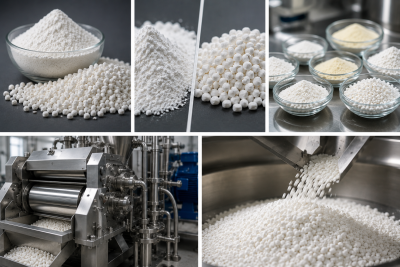
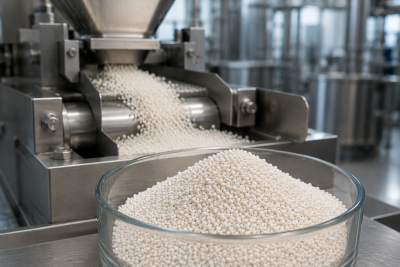
Incorporated in 1978, Toll Compaction has evolved into a leading toll manufacturer of powdered chemicals, polymer additives, and functional foods.
Toll is ISO 9001:2015 and FSSC 22000 certified by Eagle Certification Group which is recognized by Global Food Safety Initiative (GFSI). Toll is Kosher certified through various agencies, follows cGMP standards, and is FDA approved.
Over the years, we have processed thousands of different products and through our vast experience and commitment to quality
We have maintained longstanding relationships with the majority of our customers.
As the trend towards outsourcing continues, our services allow companies to reduce capital expenditures and costs, while maintaining the confidence that their product is being processed to its highest quality standards. Also, by outsourcing, our customers can concentrate on their core competencies of sales, marketing, and research & development.
Why Choose Us
Why Choose Us
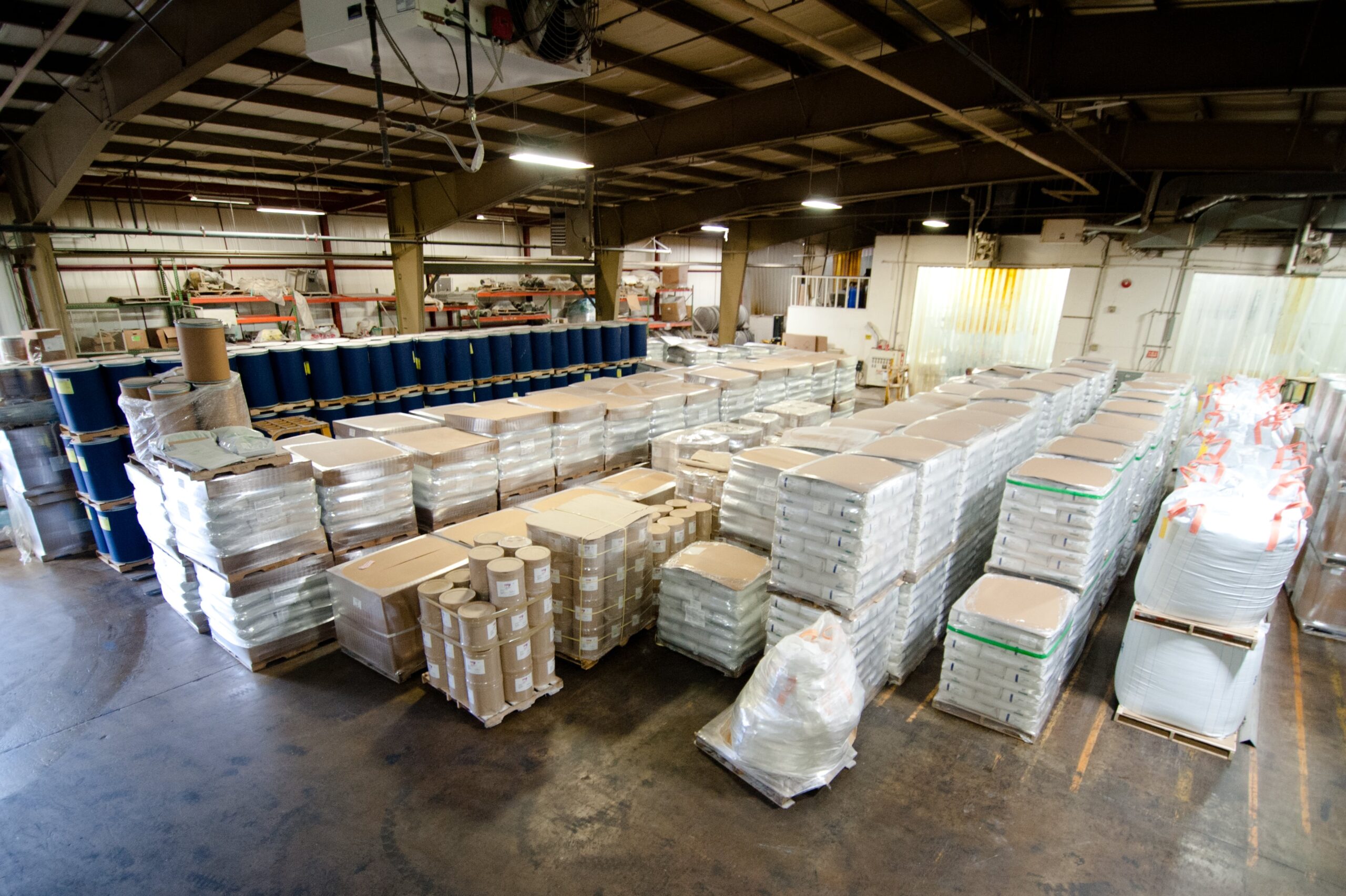
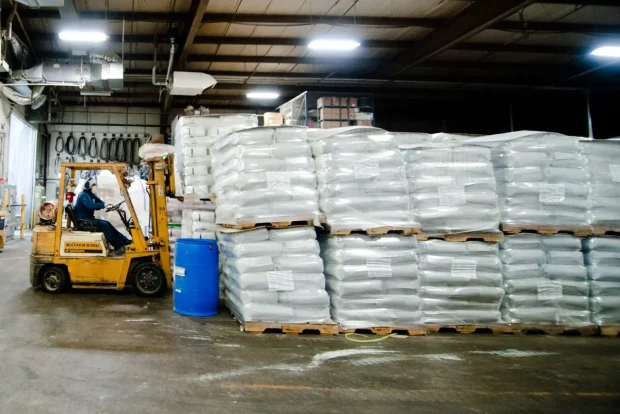
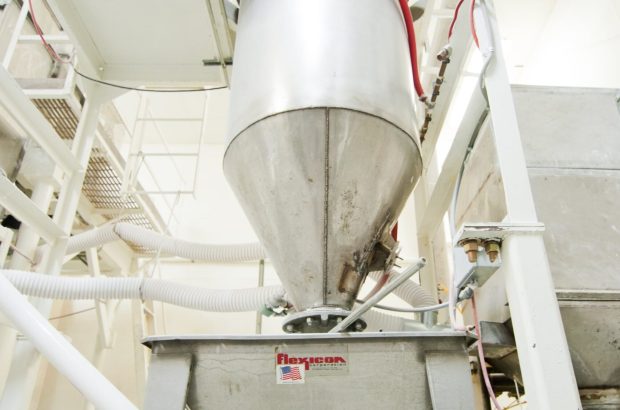
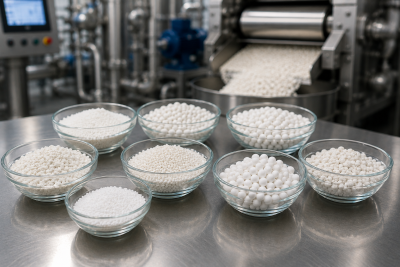
Our processing capabilities include dry granulation, blending, pelletizing, screening, milling, and repackaging. All finished products can be packaged into a wide variety of packaging. Toll Compaction operates a 35,000 sq ft facility in Neptune, NJ and finished in September of 2023 a 65,000 sq. ft state of the art facility in Washington, West Virginia.
The New Jersey facility is separated to handle functional foods in one section of the facility under cGMP 21 CFR part 117 and specialty chemicals in another section. The Washington, WV facility services the polymer additives and specialty chemical industry. We also provide formulation development services for customers who desire a turn-key service-orientated contract manufacturer.
In the world of powder-based supplements, particle size distribution isn’t just a technical detail—it’s a performance driver. Whether you're formulating capsules, tablets, or drink mixes,…
Manufacturers often underestimate the true cost of in-house powder processing, assuming that owning equipment and managing production internally will naturally lead to savings. But hidden…
Outsourcing powder processing can be a game-changer for manufacturers looking to scale efficiently, improve product quality, or reduce operational complexity. If your in-house capabilities are…
What are the benefits of toll compaction in road maintenance?
The benefits of toll compaction in road maintenance include enhanced durability and stability of road surfaces, improved load-bearing capacity, and increased resistance to wear and tear, ultimately leading to reduced maintenance costs and longer service life for roads.
How does toll compaction improve road surface durability?
Toll compaction enhances road surface durability by utilizing advanced powdered chemicals and polymer additives that increase the strength and resilience of asphalt mixtures, leading to longer-lasting and more resistant road surfaces.
What is the process of toll compaction services?
The process of toll compaction services involves the careful blending and compressing of powdered materials to achieve desired particle size and density. This ensures consistent quality and performance for various applications in industries such as chemicals and functional foods.
What are the benefits of using toll compaction services?
The benefits of using toll compaction services include enhanced product consistency, improved flow properties, and reduced production costs. This process allows for efficient scaling of manufacturing while ensuring high-quality standards and compliance with industry certifications.
How does toll compaction enhance road longevity?
Toll compaction enhances road longevity by utilizing high-quality powdered chemicals and polymer additives that improve the durability and resilience of road surfaces, reducing wear and extending the lifespan of infrastructure.
What materials are best for toll compaction?
The best materials for toll compaction include powdered chemicals, polymer additives, and functional food ingredients. These materials typically benefit from the compaction process, enhancing their performance and ensuring uniformity in the final product.
What are the common applications of toll compaction?
The common applications of toll compaction include the manufacturing of powdered chemicals, polymer additives, and functional foods, where precise blending and processing are essential for achieving high-quality end products.
How does toll compaction affect traffic flow?
Toll compaction can significantly improve traffic flow by streamlining the manufacturing process of powdered chemicals and additives. Efficient toll compaction reduces delays and enhances product availability, ultimately leading to smoother logistics and distribution.
What technologies are used in toll compaction?
The technologies used in toll compaction include advanced blending, granulation, and compression equipment, ensuring precise control over particle size and density for optimal product performance in powdered chemicals and functional foods.
What safety measures are needed for toll compaction?
Safety measures needed for toll compaction include proper equipment maintenance, adherence to OSHA regulations, employee training on handling materials, and regular safety audits to ensure compliance with industry standards.
How does weather influence toll compaction effectiveness?
The influence of weather on toll compaction effectiveness is significant, as temperature and humidity can affect the moisture content and flowability of powdered materials, impacting the consistency and quality of the final product.
What performance metrics are used for toll compaction?
The performance metrics used for toll compaction include product yield, batch consistency, processing efficiency, and quality control benchmarks, ensuring that the manufacturing process meets industry standards and client specifications effectively.
How can toll compaction services reduce maintenance costs?
Toll compaction services can significantly reduce maintenance costs by enhancing product stability and reducing dust generation, which minimizes equipment wear and tear. This leads to lower maintenance needs and increased operational efficiency.
What factors affect the efficiency of toll compaction?
The efficiency of toll compaction is influenced by several key factors, including the material properties, particle size distribution, moisture content, and compaction equipment settings. Each of these elements plays a crucial role in achieving optimal results.
What training is required for toll compaction operators?
The training required for toll compaction operators includes safety protocols, equipment operation, and quality control procedures to ensure efficient and compliant manufacturing processes. Additionally, ongoing training may be provided to keep operators updated on industry standards and best practices.
What are the environmental impacts of toll compaction?
The environmental impacts of toll compaction include the efficient use of materials, reduction of waste through precise manufacturing processes, and minimized energy consumption, contributing to a more sustainable production approach in the chemical and food industries.
How does toll compaction compare to traditional methods?
Toll compaction offers distinct advantages over traditional methods, including enhanced efficiency, consistent product quality, and reduced production costs. This innovative approach allows for better material handling and optimized processing, making it a preferred choice for many manufacturers.
What upgrades improve existing toll compaction processes?
Upgrades that improve existing toll compaction processes include advanced machinery for enhanced efficiency, automation for precision control, and improved quality assurance systems to ensure consistent product standards. These enhancements lead to greater productivity and reliability in manufacturing.
What innovations are emerging in toll compaction technology?
Innovations emerging in toll compaction technology include advancements in precision compaction methods, enhanced material formulations, and the integration of automation and data analytics, which improve efficiency, consistency, and product quality in manufacturing processes.
How to assess the quality of toll compaction services?
Assessing the quality of toll compaction services involves evaluating the manufacturer's certifications, production capabilities, and adherence to industry standards, such as ISO 9001:2015 and FSSC 22000, to ensure reliable and consistent results.
At Toll Compaction, quality is not just a goal; it's a fundamental principle that drives our operations. Our adherence to industry standards and our rigorous quality control processes ensure that every product we manufacture meets the highest specifications required by our clients.
We hold certifications such as ISO 9001:2015 and FSSC 22000, which validate our commitment to maintaining exceptional quality in our manufacturing processes. These certifications reflect our dedication to continuous improvement and our focus on customer satisfaction through reliable and safe products.
Innovative Manufacturing Techniques
Innovation is at the heart of our manufacturing processes. We utilize advanced technologies and methodologies to enhance efficiency and product quality, allowing us to stay ahead in the competitive landscape of toll manufacturing.
Our state-of-the-art equipment enables us to perform a variety of processes, including dry granulation, blending, and pelletizing, with precision. This technological edge not only improves our operational capabilities but also ensures that we can meet diverse client requirements effectively.
Comprehensive Service Offerings
Toll Compaction offers a wide range of services tailored to meet the specific needs of our clients. From initial product development to final packaging, our comprehensive service offerings ensure a seamless experience for businesses looking for reliable toll manufacturing solutions.
Our services include dry granulation, blending, screening, and repackaging, all designed to optimize the production process. By outsourcing these functions to us, our clients can focus on their core competencies while we handle the complexities of manufacturing.
Client Success Stories
We take pride in the success of our clients and the partnerships we build. Our collaborative approach has led to numerous case studies where our toll manufacturing solutions have significantly contributed to our clients' growth and operational efficiency.
For instance, one of our clients in the nutritional products sector experienced a 30% increase in production efficiency after integrating our blending services. These success stories highlight our commitment to delivering value and fostering long-term relationships with our clients.
What are the benefits of toll compaction in road maintenance?
The benefits of toll compaction in road maintenance include enhanced durability and stability of road surfaces, improved load-bearing capacity, and increased resistance to wear and tear, ultimately leading to reduced maintenance costs and longer service life for roads.
How does toll compaction improve road surface durability?
Toll compaction enhances road surface durability by utilizing advanced powdered chemicals and polymer additives that increase the strength and resilience of asphalt mixtures, leading to longer-lasting and more resistant road surfaces.
What is the process of toll compaction services?
The process of toll compaction services involves the careful blending and compressing of powdered materials to achieve desired particle size and density. This ensures consistent quality and performance for various applications in industries such as chemicals and functional foods.
What are the benefits of using toll compaction services?
The benefits of using toll compaction services include enhanced product consistency, improved flow properties, and reduced production costs. This process allows for efficient scaling of manufacturing while ensuring high-quality standards and compliance with industry certifications.
How does toll compaction enhance road longevity?
Toll compaction enhances road longevity by utilizing high-quality powdered chemicals and polymer additives that improve the durability and resilience of road surfaces, reducing wear and extending the lifespan of infrastructure.
What materials are best for toll compaction?
The best materials for toll compaction include powdered chemicals, polymer additives, and functional food ingredients. These materials typically benefit from the compaction process, enhancing their performance and ensuring uniformity in the final product.
What are the common applications of toll compaction?
The common applications of toll compaction include the manufacturing of powdered chemicals, polymer additives, and functional foods, where precise blending and processing are essential for achieving high-quality end products.
How does toll compaction affect traffic flow?
Toll compaction can significantly improve traffic flow by streamlining the manufacturing process of powdered chemicals and additives. Efficient toll compaction reduces delays and enhances product availability, ultimately leading to smoother logistics and distribution.
What technologies are used in toll compaction?
The technologies used in toll compaction include advanced blending, granulation, and compression equipment, ensuring precise control over particle size and density for optimal product performance in powdered chemicals and functional foods.
What safety measures are needed for toll compaction?
Safety measures needed for toll compaction include proper equipment maintenance, adherence to OSHA regulations, employee training on handling materials, and regular safety audits to ensure compliance with industry standards.
How does weather influence toll compaction effectiveness?
The influence of weather on toll compaction effectiveness is significant, as temperature and humidity can affect the moisture content and flowability of powdered materials, impacting the consistency and quality of the final product.
What performance metrics are used for toll compaction?
The performance metrics used for toll compaction include product yield, batch consistency, processing efficiency, and quality control benchmarks, ensuring that the manufacturing process meets industry standards and client specifications effectively.
How can toll compaction services reduce maintenance costs?
Toll compaction services can significantly reduce maintenance costs by enhancing product stability and reducing dust generation, which minimizes equipment wear and tear. This leads to lower maintenance needs and increased operational efficiency.
What factors affect the efficiency of toll compaction?
The efficiency of toll compaction is influenced by several key factors, including the material properties, particle size distribution, moisture content, and compaction equipment settings. Each of these elements plays a crucial role in achieving optimal results.
What training is required for toll compaction operators?
The training required for toll compaction operators includes safety protocols, equipment operation, and quality control procedures to ensure efficient and compliant manufacturing processes. Additionally, ongoing training may be provided to keep operators updated on industry standards and best practices.
What are the environmental impacts of toll compaction?
The environmental impacts of toll compaction include the efficient use of materials, reduction of waste through precise manufacturing processes, and minimized energy consumption, contributing to a more sustainable production approach in the chemical and food industries.
How does toll compaction compare to traditional methods?
Toll compaction offers distinct advantages over traditional methods, including enhanced efficiency, consistent product quality, and reduced production costs. This innovative approach allows for better material handling and optimized processing, making it a preferred choice for many manufacturers.
What upgrades improve existing toll compaction processes?
Upgrades that improve existing toll compaction processes include advanced machinery for enhanced efficiency, automation for precision control, and improved quality assurance systems to ensure consistent product standards. These enhancements lead to greater productivity and reliability in manufacturing.
What innovations are emerging in toll compaction technology?
Innovations emerging in toll compaction technology include advancements in precision compaction methods, enhanced material formulations, and the integration of automation and data analytics, which improve efficiency, consistency, and product quality in manufacturing processes.
How to assess the quality of toll compaction services?
Assessing the quality of toll compaction services involves evaluating the manufacturer's certifications, production capabilities, and adherence to industry standards, such as ISO 9001:2015 and FSSC 22000, to ensure reliable and consistent results.
At Toll Compaction, quality is not just a goal; it's a fundamental principle that drives our operations. Our adherence to industry standards and our rigorous quality control processes ensure that every product we manufacture meets the highest specifications required by our clients.
We hold certifications such as ISO 9001:2015 and FSSC 22000, which validate our commitment to maintaining exceptional quality in our manufacturing processes. These certifications reflect our dedication to continuous improvement and our focus on customer satisfaction through reliable and safe products.
Innovative Manufacturing Techniques
Innovation is at the heart of our manufacturing processes. We utilize advanced technologies and methodologies to enhance efficiency and product quality, allowing us to stay ahead in the competitive landscape of toll manufacturing.
Our state-of-the-art equipment enables us to perform a variety of processes, including dry granulation, blending, and pelletizing, with precision. This technological edge not only improves our operational capabilities but also ensures that we can meet diverse client requirements effectively.
Comprehensive Service Offerings
Toll Compaction offers a wide range of services tailored to meet the specific needs of our clients. From initial product development to final packaging, our comprehensive service offerings ensure a seamless experience for businesses looking for reliable toll manufacturing solutions.
Our services include dry granulation, blending, screening, and repackaging, all designed to optimize the production process. By outsourcing these functions to us, our clients can focus on their core competencies while we handle the complexities of manufacturing.
Client Success Stories
We take pride in the success of our clients and the partnerships we build. Our collaborative approach has led to numerous case studies where our toll manufacturing solutions have significantly contributed to our clients' growth and operational efficiency.
For instance, one of our clients in the nutritional products sector experienced a 30% increase in production efficiency after integrating our blending services. These success stories highlight our commitment to delivering value and fostering long-term relationships with our clients.