Frequently Asked Questions
What is the average cost of toll compaction services?
The average cost of toll compaction services varies based on factors such as material type, processing requirements, and volume. For precise pricing, it's best to consult directly with Toll Compaction for a tailored quote.
What is the process of toll compaction services?
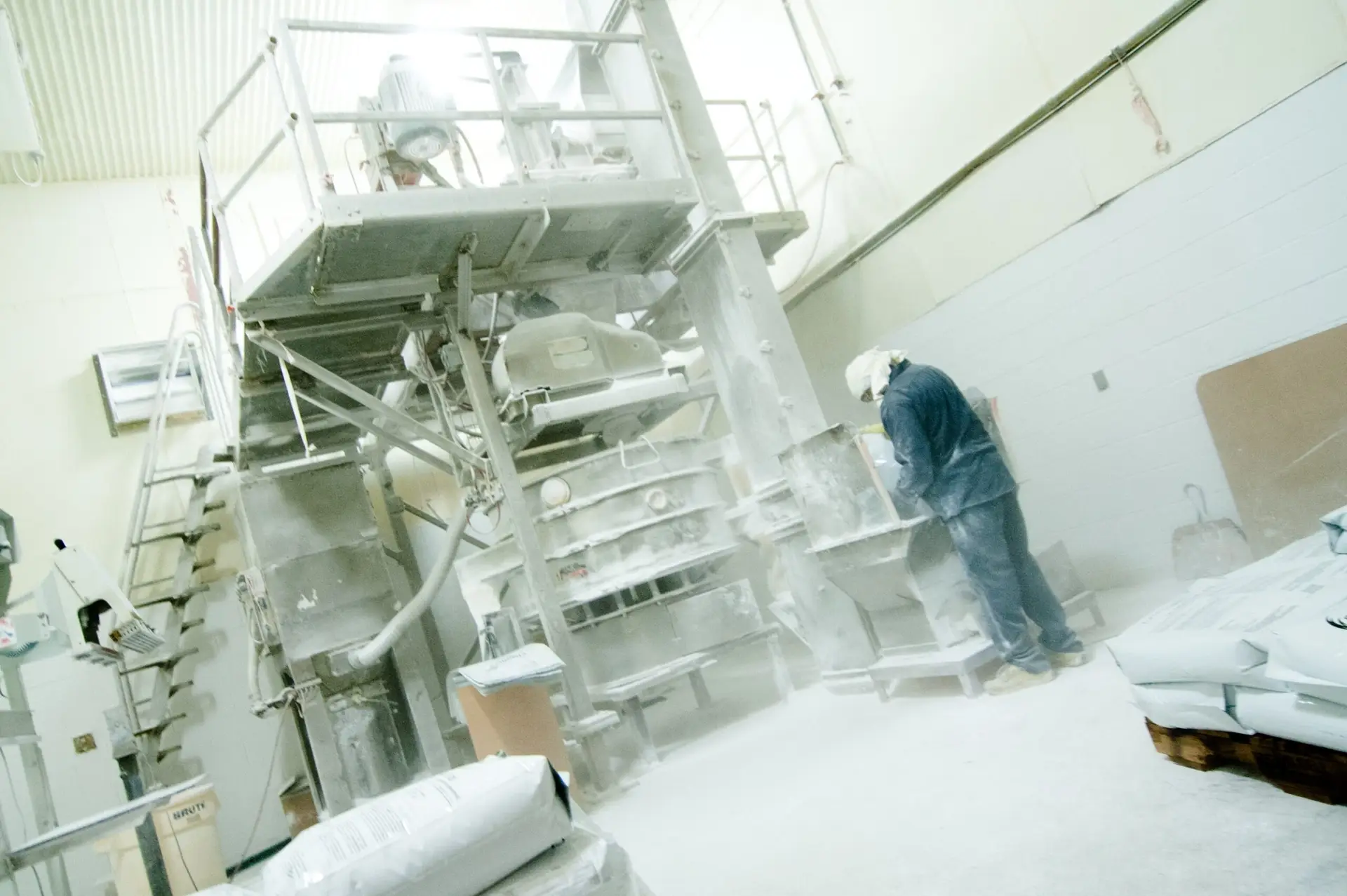
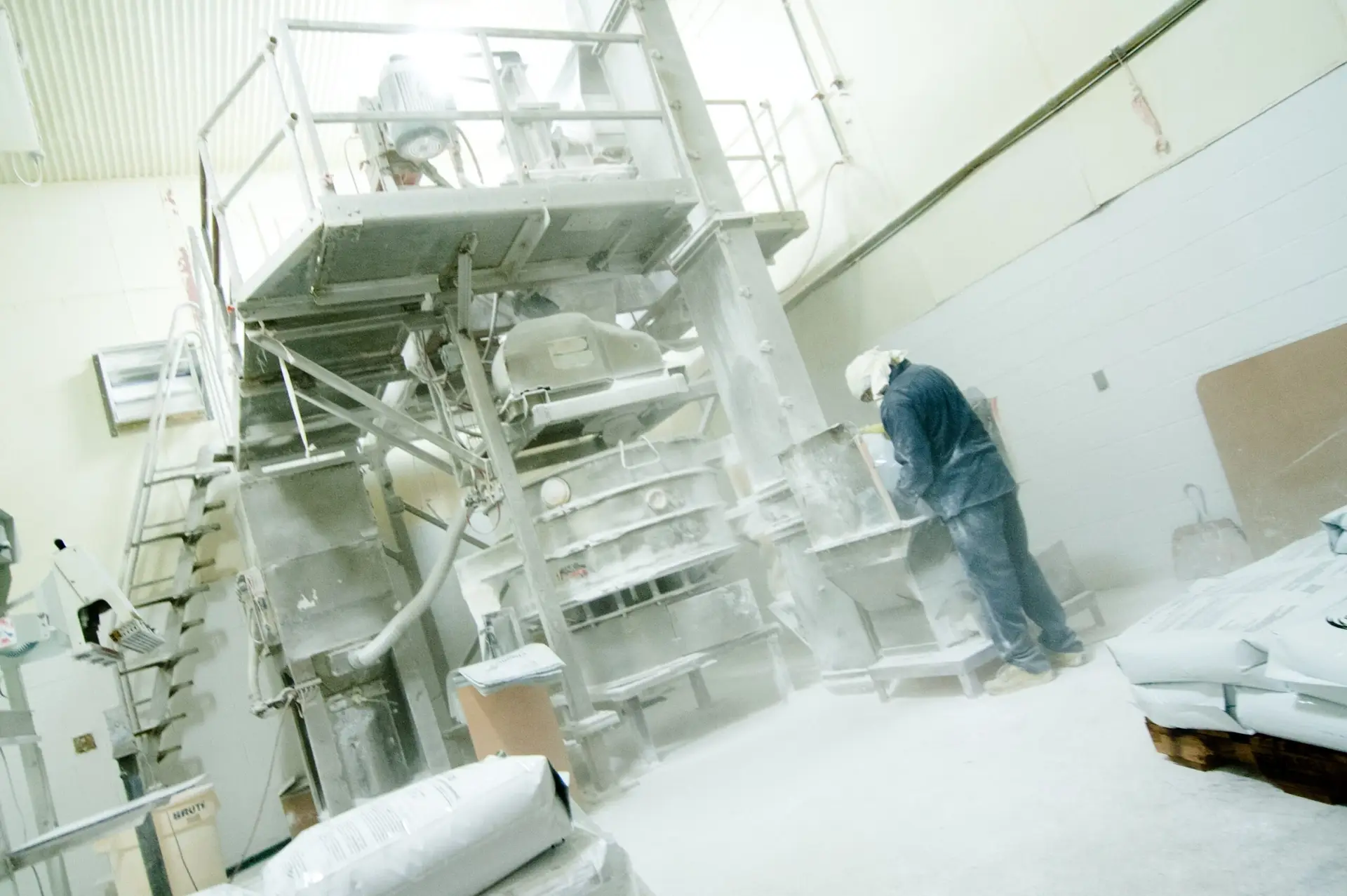
The process of toll compaction services involves the use of mechanical mills to reduce the size of solid materials through delumping, granulating, and pulverizing, optimizing them for manufacturing applications.
How does toll compaction affect the density of asphalt?
Toll compaction significantly influences the density of asphalt by utilizing precise mechanical milling techniques to optimize particle size and distribution. This process enhances material compaction, resulting in a denser and more durable asphalt mix.
What is the purpose of toll compaction services in logistics?
The purpose of toll compaction services in logistics is to optimize the handling and processing of solid materials by utilizing size reduction techniques, enhancing product consistency and efficiency in manufacturing operations.
What types of goods benefit from toll compaction services?
The types of goods that benefit from toll compaction services include various powders and solids, such as pharmaceuticals, food ingredients, and chemicals, which require size reduction for optimized processing and enhanced manufacturing efficiency.
How do toll compaction services reduce transportation costs?
Toll compaction services reduce transportation costs by optimizing the size and density of materials, allowing for more efficient shipping. By transforming bulk solids into compact, manageable forms, fewer trips are needed, ultimately lowering freight expenses.
What is cryogenic milling toll service used for?
Cryogenic milling toll service is used to process materials that are sensitive to heat, allowing for size reduction while maintaining the integrity of the product. This method enhances the milling of tough or brittle materials by using liquid nitrogen to achieve lower temperatures during the milling process.
What are the benefits of cryogenic milling toll services?
The benefits of cryogenic milling toll services include enhanced particle size reduction, preservation of material properties, and improved processing of heat-sensitive materials. This method minimizes thermal degradation, resulting in higher quality end products for manufacturing applications.
What materials are suitable for toll compaction?
The materials suitable for toll compaction include a variety of solids such as powders, granules, and crystalline substances. These materials can be effectively processed using our milling equipment to enhance their properties for manufacturing applications.
How does toll compaction enhance material stability?
Toll Compaction enhances material stability by utilizing advanced milling techniques that ensure uniform particle size and density, reducing the risk of segregation and improving flow characteristics, which ultimately leads to more consistent manufacturing outcomes.
What industries utilize toll compaction services?
Various industries utilize toll compaction services, including pharmaceuticals, food processing, chemicals, and plastics. These sectors rely on size reduction to enhance product quality and optimize manufacturing efficiency.
What equipment is necessary for toll compaction?
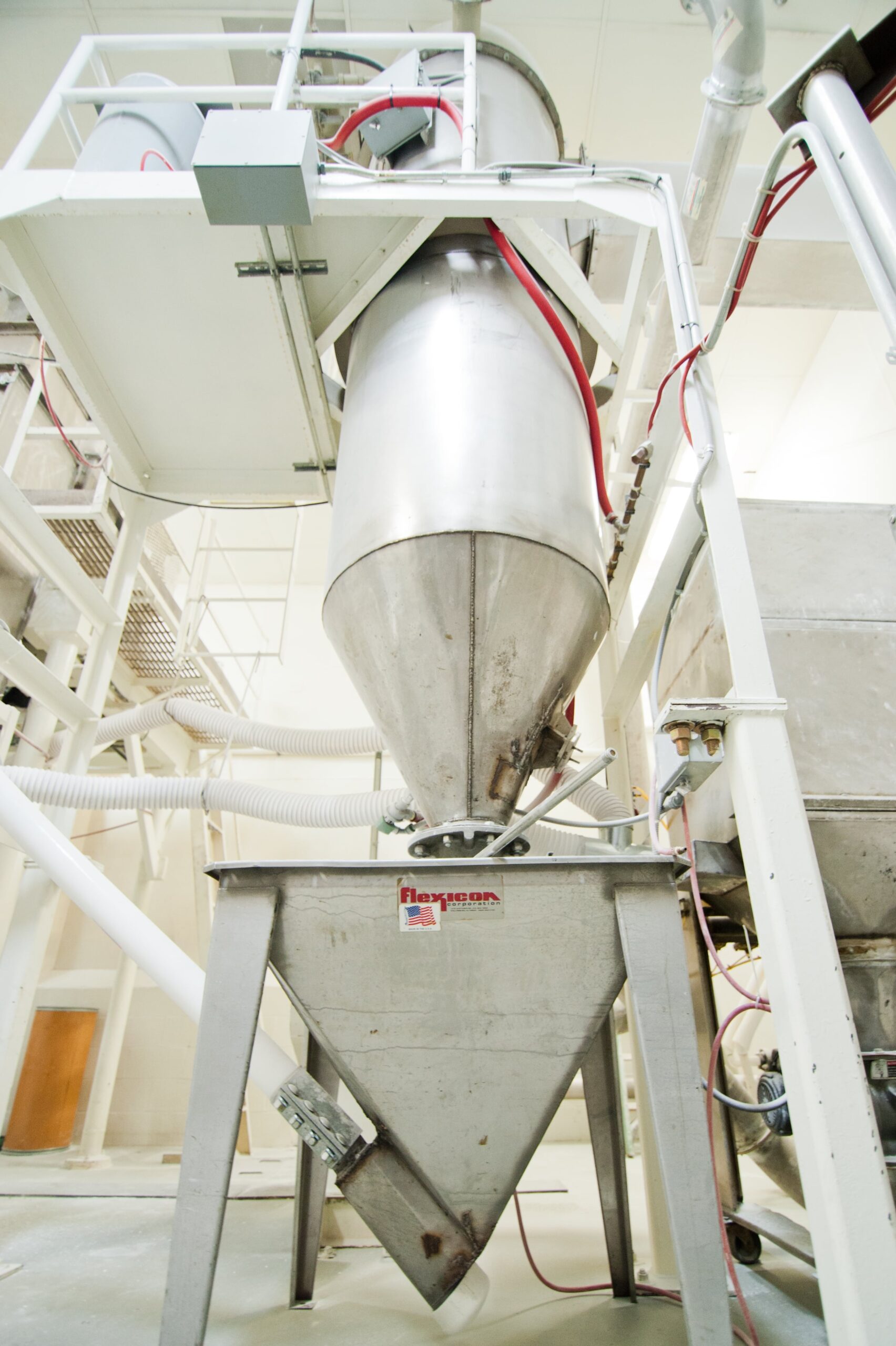
The equipment necessary for toll compaction includes mechanical mills such as Fitzmills and Pulva Hammer Mills, which are essential for effective size reduction and processing of solid materials.
How is toll compaction measured for effectiveness?
The effectiveness of toll compaction is measured by evaluating the consistency of particle size reduction, the efficiency of the milling process, and the overall impact on improving manufacturing capabilities.
What are the safety protocols for toll compaction?
The safety protocols for Toll Compaction include rigorous equipment inspections, adherence to operational guidelines, employee training on safety practices, and the use of personal protective equipment (PPE) to ensure a safe working environment during powder processing operations.
Can toll compaction improve product quality?
Toll Compaction can significantly improve product quality by optimizing particle size through precise milling processes. This enhancement leads to better consistency and performance in manufacturing applications, ensuring that your materials meet the highest standards.
What specifications should be considered for toll compaction?
The specifications to consider for toll compaction include material characteristics, desired particle size, moisture content, and processing volume. Additionally, evaluating the type of milling equipment and packaging options is essential for optimal results.
How does moisture content affect toll compaction?
Moisture content significantly affects toll compaction by influencing the flowability and cohesiveness of the powder. High moisture can lead to clumping, while low moisture may result in inadequate compaction, impacting overall processing efficiency.
What are the challenges in toll compaction?
The challenges in toll compaction include managing material variability, ensuring consistent particle size, and maintaining equipment efficiency. Additionally, optimizing processing parameters and adhering to quality standards can complicate operations in this specialized field.
How does toll compaction impact environmental sustainability?
The impact of toll compaction on environmental sustainability is significant. By optimizing size reduction processes, it minimizes waste, reduces energy consumption, and promotes efficient resource use, contributing to a more sustainable manufacturing ecosystem.
What is the role of toll compaction in recycling?
The role of toll compaction in recycling involves optimizing the size and consistency of recycled materials. By utilizing mechanical milling processes, Toll Compaction enhances the recyclability of solids, making them more suitable for reuse in manufacturing applications.
What are the typical applications for toll compaction?
The typical applications for toll compaction include size reduction of various solid materials, such as delumping, granulating, and pulverizing, to enhance manufacturing processes across industries like pharmaceuticals, food, and chemicals.
How does toll compaction contribute to cost savings?
Toll Compaction contributes to cost savings by optimizing the size reduction process, reducing waste, and improving material efficiency, which ultimately lowers production costs for manufacturers while maintaining high-quality standards in powder processing.
What innovations are emerging in toll compaction technology?
Innovations emerging in toll compaction technology include advanced milling techniques, enhanced automation for precision processing, and the integration of data analytics for optimizing production efficiency and quality control in powder processing.
How does temperature influence toll compaction results?
Temperature significantly influences toll compaction results by affecting the flowability and compressibility of materials. Higher temperatures can enhance material properties, leading to improved size reduction and more efficient processing during milling.
What factors influence the pricing of toll compaction?
The factors that influence the pricing of toll compaction include the type of material being processed, the complexity of the milling required, the volume of production, and any additional packaging or testing services needed.
How can clients assess toll compaction service providers?
Clients can assess toll compaction service providers by evaluating their expertise in size reduction processes, the quality and variety of milling equipment offered, customer reviews, and their ability to meet specific processing needs efficiently.
What are the advantages of outsourcing toll compaction?
The advantages of outsourcing toll compaction include access to specialized equipment and expertise, cost savings on labor and maintenance, improved efficiency in processing solid materials, and the ability to focus on core manufacturing activities while ensuring high-quality size reduction services.
How does toll compaction relate to supply chain efficiency?
Toll compaction enhances supply chain efficiency by providing specialized size reduction services that optimize material processing. This ensures consistent product quality and reduces lead times, ultimately streamlining manufacturing operations and improving overall supply chain performance.
What types of tests are performed post-toll compaction?
The types of tests performed post-toll compaction include particle size analysis, flowability tests, and moisture content assessments, ensuring that the processed materials meet specific quality and performance standards for optimal manufacturing use.
How does toll compaction compare to other methods?
Toll compaction offers a specialized approach to size reduction that enhances efficiency and quality compared to traditional methods. Its use of advanced mechanical mills, like Fitzmills and Pulva Hammer Mills, ensures precise processing tailored to specific solid materials.