toll compaction washington wv, size reduction services, high throughput size reduction solutions chemical production, toll compaction, particle size reduction services, particle reduction services, particle size reduction companies, best toll processing company for micronization at scale, tolling facility, toll distribution, effective material size reduction supplier, toll granulation, plastic toll granulation companies, toll processing services, toll grinding for pharmaceutical companies
Understanding Size Reduction in Toll Manufacturing
Size reduction is a critical process in toll manufacturing that involves breaking down materials into smaller particles to enhance their functionality and usability. This process is essential for creating consistent and high-quality powdered chemicals, which are used across various industries, including pharmaceuticals, food, and plastics.
By utilizing advanced techniques such as milling, grinding, and sieving, manufacturers can achieve precise particle sizes that meet specific application requirements. The ability to control particle size not only affects the product's performance but also influences its solubility, flowability, and reactivity, making size reduction a vital step in the production chain.
Benefits of Toll Manufacturing for Size Reduction
Toll manufacturing offers numerous advantages for companies looking to optimize their size reduction processes. By outsourcing this function, businesses can focus on their core competencies while leveraging the expertise and specialized equipment of toll manufacturers.
Moreover, toll manufacturing can lead to cost savings, as companies can avoid the substantial investment required for in-house equipment and facilities. This approach also allows for greater flexibility in production volumes and the ability to quickly adapt to changing market demands without compromising quality.
Key Techniques in Size Reduction Processes
There are several key techniques employed in size reduction processes that help achieve the desired particle size and distribution. These techniques include mechanical methods such as ball milling, jet milling, and hammer milling, each suited for different materials and end products.
For instance, jet milling is particularly effective for producing fine powders with narrow particle size distributions, making it ideal for pharmaceuticals and specialty chemicals. Understanding the appropriate technique for a specific application is crucial for achieving optimal results in toll manufacturing.
Quality Control in Size Reduction Operations
Quality control is paramount in the size reduction process to ensure that the final product meets industry standards and customer specifications. Implementing rigorous testing methods throughout the production cycle helps identify any deviations and maintain consistency in product quality.
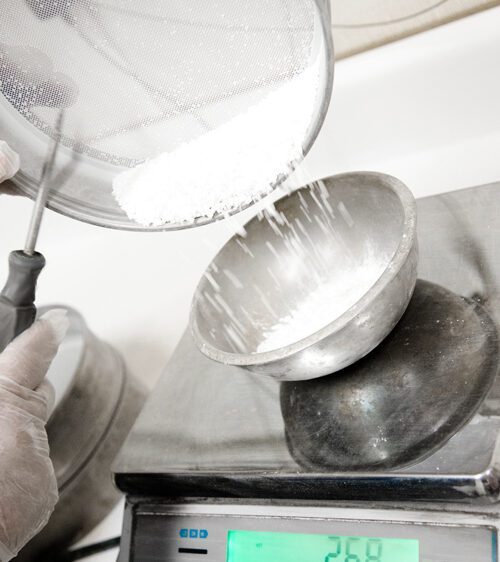
Techniques such as particle size analysis, moisture content testing, and flowability assessments are commonly used to monitor and control the quality of the powdered chemicals produced. By adhering to strict quality control measures, toll manufacturers can guarantee that their products not only meet but exceed customer expectations.