Are you looking for a toller who can help you with blending?
Look no further, because we can help! At Toll Compaction Group, we specialize in precision blending solutions that ensure consistency, efficiency, and quality for your materials. Whether you need homogenous powder blends or carefully controlled formulations, our expertise and state-of-the-art equipment make us the ideal partner for your toll processing needs.
Dry Granulation vs. Wet Granulation: Which Is Right for Your Product?
When it comes to optimizing powder processing, choosing between dry granulation and wet granulation can significantly impact product performance, cost, and safety. At Toll Compaction, dry granulation is a cornerstone of their toll manufacturing services, especially for clients in the food, nutrition, and chemical sectors. This method compresses powders into granules without using liquids, making it ideal for moisture- or heat-sensitive materials. It enhances flowability, reduces dust, and improves bulk density—all while maintaining product integrity and minimizing processing steps.
Particle Size Distribution: Why It Matters in Nutraceuticals
In the nutraceutical industry, particle size distribution (PSD) plays a critical role in determining product performance, consistency, and consumer experience. Whether you're formulating dietary supplements, functional foods, or botanical blends, the size and uniformity of particles directly affect how ingredients mix, flow, compress, and ultimately dissolve.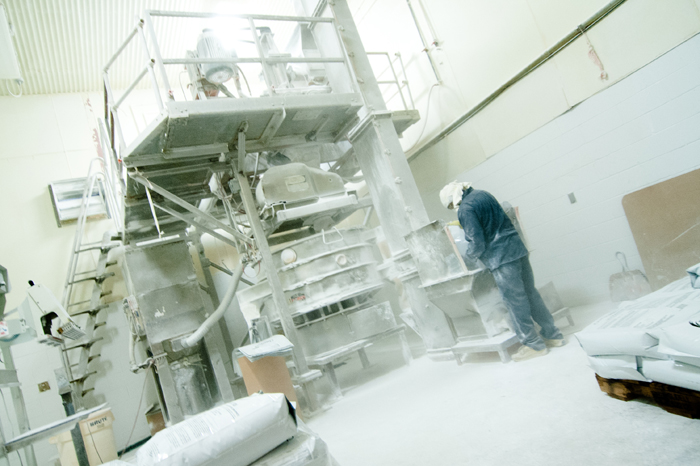
Mastering the Mix: The Art of Blending
Blending is a pivotal process in toll manufacturing, where precision and expertise come together to create uniform mixtures of powdered chemicals, nutritional products, and functional foods. This process is essential for ensuring product consistency, efficacy, and quality.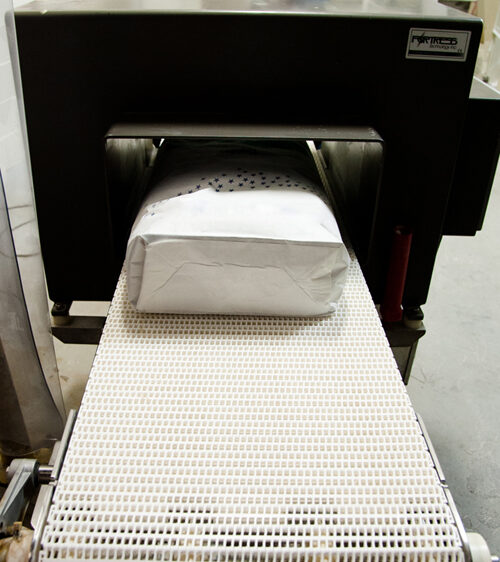
Repackaging: The Final Touch in Toll Manufacturing
In the intricate process of bringing powdered chemicals, nutritional products, and functional foods to market, repackaging plays a pivotal role. Toll manufacturers offer extensive repackaging services that add value and convenience, ensuring products are market-ready and meet consumer expectations.
The Screening Process Explained
The screening process is a testament to the commitment to quality in toll manufacturing. It is a vital step that ensures the final product meets the exacting standards required by customers in the powdered chemicals, nutritional products, and functional food industries.
5 Signs You’re Ready to Outsource Powder Processing
Outsourcing powder processing can be a game-changer for manufacturers looking to scale efficiently, improve product quality, or reduce operational complexity. If your in-house capabilities are stretched thin or you're facing challenges with consistency and throughput, it might be time to consider a partner like Toll Compaction. With decades of experience in dry granulation and particle modification, they help companies across the nutraceutical, food, and chemical sectors streamline production without sacrificing control.
The Hidden Costs of In-House Powder Processing—and How to Avoid Them
Manufacturers often underestimate the true cost of in-house powder processing, assuming that owning equipment and managing production internally will naturally lead to savings. But hidden expenses—from maintenance and staffing to compliance and downtime—can quickly turn an in-house operation into a financial drain. As more companies evaluate toll processing vs in-house production, the data is clear: outsourcing can dramatically reduce manufacturing costs while improving efficiency and product consistency. Understanding where these hidden costs come from is the first step toward making a smarter, more profitable decision.


