
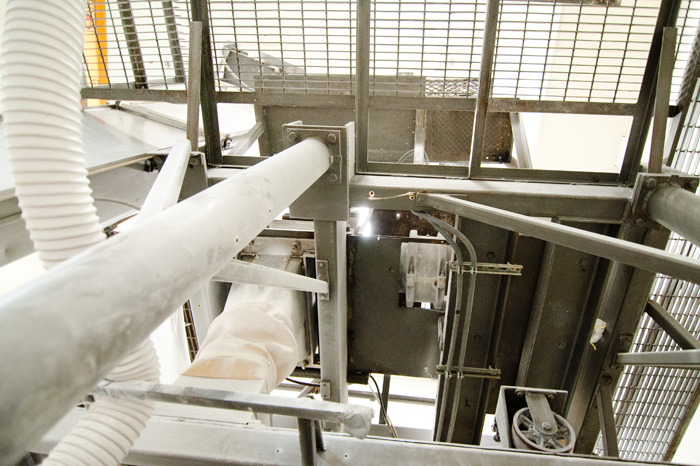
Dry Granulation: The Backbone of Toll Manufacturing for Specialty Powders
In the intricate world of powdered chemicals and nutritional products, dry granulation stands out as a cornerstone process in toll manufacturing. This method is essential for companies looking to enhance the flow and compression characteristics of their powders, which is particularly crucial in the production of functional foods and dietary supplements.
Understanding Dry Granulation
Dry granulation is a process used to form granules without the use of a liquid solution, as the product may be sensitive to moisture and heat. It involves two main steps:
Compaction: Powdered particles are compressed into larger pieces.
Milling: The compacted pieces are then broken down into granules.
This method is favored for its ability to improve powder density and flowability, which facilitates easier handling and packaging.
Advantages in Toll Manufacturing
1. Enhanced Product Quality
Uniformity: Dry granulation ensures a consistent granule size, which is vital for uniform mixing and product quality.
Stability: It helps in stabilizing the blend, reducing segregation, and enhancing the shelf life of the product.
2. Cost-Effectiveness
Reduced Processing Steps: The absence of a drying phase lowers production costs and energy consumption.
Efficient Material Use: It minimizes waste by recycling and reprocessing all materials.
3. Versatility
Broad Application: Dry granulation is suitable for a wide range of materials, especially those sensitive to moisture or heat.
Customization: Toll manufacturers can tailor the granulation process to meet specific client needs.
4. Scalability
Flexible Batch Sizes: The process is adaptable to various production scales, from small batches for R&D to large-scale commercial manufacturing.
5. Compliance and Safety
Regulatory Adherence: Toll manufacturers that specialize in dry granulation are well-versed in regulatory requirements, ensuring compliance with industry standards.
Safe Handling: The process is ideal for handling hazardous or sensitive materials, as it does not involve solvents or high temperatures.
Dry granulation is a pivotal process in the toll manufacturing of powdered chemicals, nutritional products, and functional foods. It offers numerous benefits, including improved product quality, cost savings, versatility, scalability, and compliance with safety standards. Companies that integrate dry granulation into their manufacturing strategy can expect to see enhanced product performance and customer satisfaction.
toll granulation, what is dry granulation, advantages of dry granulation, toll drying, toll drying suppliers, toll conversion of liquid to dry chemical, toll drying services, granulate powdered materials, toll manufacturing of powders, value added powder toll processing
Comprehensive Guide to Dry Granulation in Toll Manufacturing
This guide provides an in-depth exploration of dry granulation as a key process in toll manufacturing, designed to enhance the understanding of its significance in producing high-quality powdered products. By examining the method's intricacies, users can better appreciate how dry granulation contributes to the overall efficiency and effectiveness of manufacturing operations.
In the realm of powdered chemicals and nutritional products, understanding dry granulation is vital for manufacturers aiming to optimize their processes. This comprehensive guide covers everything from the basic principles of dry granulation to its applications in various industries, ensuring that users are well-informed about its role in achieving superior product quality.
Key Applications of Dry Granulation
Dry granulation is widely utilized across multiple industries, including pharmaceuticals, food production, and specialty chemicals, due to its ability to produce uniform granules without the need for moisture. This method is particularly beneficial for sensitive materials that may degrade or react adversely to wet granulation processes.
For instance, in the pharmaceutical sector, dry granulation is essential for formulating tablets and capsules that require precise dosages. Similarly, in the food industry, it aids in creating nutritional supplements and functional foods that demand stringent quality control and consistency, showcasing the versatility of dry granulation across diverse applications.
Challenges and Solutions in Dry Granulation
While dry granulation offers numerous advantages, it is not without its challenges, such as potential issues with material flowability and granule size uniformity. Understanding these challenges is crucial for manufacturers to ensure optimal outcomes in their production processes.
To address these issues, implementing advanced equipment and technologies can significantly enhance granule formation and consistency. Techniques such as optimizing the formulation and adjusting processing parameters help mitigate common challenges, ultimately leading to improved product quality and process efficiency.
Future Trends in Dry Granulation Technology
The landscape of dry granulation is evolving with advancements in technology and methodologies that promise to enhance its efficiency and effectiveness. Innovations such as continuous manufacturing processes and the integration of automation are set to revolutionize the way dry granulation is conducted in toll manufacturing.
These future trends not only aim to streamline production but also focus on sustainability by reducing waste and energy consumption. As manufacturers adapt to these changes, they can expect improved product quality and operational efficiency, positioning themselves competitively in the market.
toll granulation, what is dry granulation, advantages of dry granulation, toll drying, toll drying suppliers, toll conversion of liquid to dry chemical, toll drying services, granulate powdered materials, toll manufacturing of powders, value added powder toll processing
Comprehensive Guide to Dry Granulation in Toll Manufacturing
This guide provides an in-depth exploration of dry granulation as a key process in toll manufacturing, designed to enhance the understanding of its significance in producing high-quality powdered products. By examining the method's intricacies, users can better appreciate how dry granulation contributes to the overall efficiency and effectiveness of manufacturing operations.
In the realm of powdered chemicals and nutritional products, understanding dry granulation is vital for manufacturers aiming to optimize their processes. This comprehensive guide covers everything from the basic principles of dry granulation to its applications in various industries, ensuring that users are well-informed about its role in achieving superior product quality.
Key Applications of Dry Granulation
Dry granulation is widely utilized across multiple industries, including pharmaceuticals, food production, and specialty chemicals, due to its ability to produce uniform granules without the need for moisture. This method is particularly beneficial for sensitive materials that may degrade or react adversely to wet granulation processes.
For instance, in the pharmaceutical sector, dry granulation is essential for formulating tablets and capsules that require precise dosages. Similarly, in the food industry, it aids in creating nutritional supplements and functional foods that demand stringent quality control and consistency, showcasing the versatility of dry granulation across diverse applications.
Challenges and Solutions in Dry Granulation
While dry granulation offers numerous advantages, it is not without its challenges, such as potential issues with material flowability and granule size uniformity. Understanding these challenges is crucial for manufacturers to ensure optimal outcomes in their production processes.
To address these issues, implementing advanced equipment and technologies can significantly enhance granule formation and consistency. Techniques such as optimizing the formulation and adjusting processing parameters help mitigate common challenges, ultimately leading to improved product quality and process efficiency.
Future Trends in Dry Granulation Technology
The landscape of dry granulation is evolving with advancements in technology and methodologies that promise to enhance its efficiency and effectiveness. Innovations such as continuous manufacturing processes and the integration of automation are set to revolutionize the way dry granulation is conducted in toll manufacturing.
These future trends not only aim to streamline production but also focus on sustainability by reducing waste and energy consumption. As manufacturers adapt to these changes, they can expect improved product quality and operational efficiency, positioning themselves competitively in the market.