Pelletizing: Enhancing Product Formulation in Toll Manufacturing
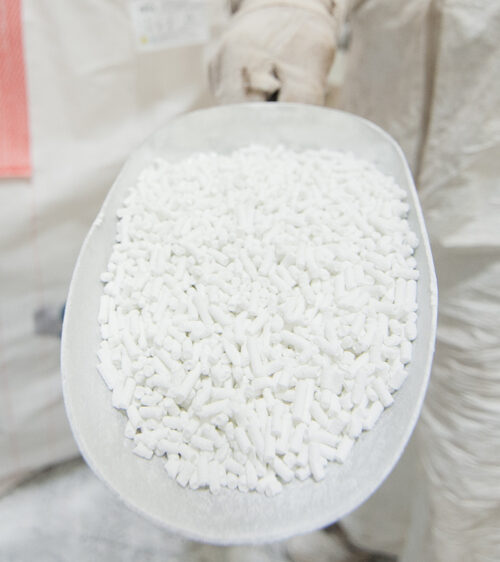
In the realm of toll manufacturing, pelletizing is a transformative process that plays a crucial role in the production of powdered chemicals, nutritional products, and functional foods. This process involves the agglomeration of fine powders into discrete, free-flowing pellets, which can significantly improve the handling, storage, and application of the product.
The Pelletizing Process
Pelletizing is typically carried out in several stages:
Blending: The fine powder is thoroughly mixed to ensure a uniform composition.
Agglomeration: The powder is then processed through equipment like a disc pelletizer or pin mixer, where it is formed into small, rounded pellets.
Drying/Curing: The pellets are dried or cured to achieve the desired hardness and stability.
Benefits in Toll Manufacturing
1. Improved Product Characteristics
Enhanced Flowability: Pellets have better flow properties compared to powders, which simplifies metering and dispensing.
Tailored Particle Size: The pellet size can be customized to suit specific application requirements, from fine granules to larger pellets.
Variable Formulations: Toll manufacturers can create pellets with a range of active ingredient concentrations, accommodating different market needs.
3. Market Appeal
Aesthetic Quality: Pellets often have a more appealing appearance, which can be advantageous in consumer markets.
Ease of Use: For end-users, pellets are easier to handle and measure, improving the user experience.
4. Enhanced Stability
Protective Form: The pellet form can protect sensitive ingredients from degradation, extending the shelf life of the product.
Controlled Release: Pellets can be engineered to release their active ingredients over a specified period, which is particularly beneficial in nutritional and functional food products.
5. Scalability and Efficiency
High Throughput: Pelletizing can be performed at high production rates, making it suitable for large-scale manufacturing.
Energy Efficiency: Modern pelletizing techniques are designed to be energy-efficient, reducing the overall carbon footprint.
Applications in Specialty Ingredients
Pelletizing is widely used in the production of:
Powdered Chemicals: For applications where precise dosing and reduced dust are critical.
Nutritional Products: To create supplements that are easy to consume and dose.
Functional Foods: To incorporate nutrients into food products without altering their taste or texture.
Pelletizing is a key capability in toll manufacturing that enhances the formulation of powdered chemicals, nutritional products, and functional foods. It offers numerous benefits, including improved product characteristics, versatility, market appeal, stability, and manufacturing efficiency. By partnering with a toll manufacturer that excels in pelletizing, companies can elevate their products and streamline their production processes.
Toll manufacturing is a collaborative process where a company provides its production capabilities to another business, allowing them to outsource their manufacturing needs. This arrangement is particularly beneficial for companies looking to optimize their production without investing in additional equipment or facilities.
By partnering with a toll manufacturer like Toll Compaction, businesses can leverage specialized expertise and advanced technologies in processes such as pelletizing, which enhances product quality and efficiency. This strategic alliance helps companies focus on their core competencies while ensuring high-quality production standards.
Quality Assurance in Pelletizing
Quality assurance is a critical aspect of the pelletizing process in toll manufacturing. It involves rigorous testing and monitoring at each stage of production to ensure that the final pellets meet the required specifications and standards.
Toll Compaction adheres to certifications such as FSSC 22000 and ISO 9001:2015, which guarantee that all products are manufactured under strict quality control measures. This commitment to quality not only enhances product reliability but also builds trust with clients seeking consistent performance in their ingredients.
Environmental Considerations in Toll Manufacturing
As industries increasingly focus on sustainability, environmental considerations play a crucial role in toll manufacturing processes, including pelletizing. Implementing energy-efficient techniques and waste reduction strategies helps minimize the ecological impact of production.
Toll Compaction is dedicated to adopting practices that reduce its carbon footprint, such as optimizing energy use during pelletizing. By prioritizing sustainability, the company not only meets regulatory requirements but also appeals to environmentally-conscious clients in the market.
Future Trends in Pelletizing Technology
The future of pelletizing technology is poised for innovation, driven by advancements in machinery and process optimization. Emerging trends include the use of automation and artificial intelligence to enhance efficiency and reduce production costs.
As technology evolves, Toll Compaction stays at the forefront by investing in state-of-the-art equipment and exploring new methodologies. This proactive approach ensures that clients benefit from the latest developments in pelletizing, leading to better product formulations and competitive advantages in their respective markets.
Toll manufacturing is a collaborative process where a company provides its production capabilities to another business, allowing them to outsource their manufacturing needs. This arrangement is particularly beneficial for companies looking to optimize their production without investing in additional equipment or facilities.
By partnering with a toll manufacturer like Toll Compaction, businesses can leverage specialized expertise and advanced technologies in processes such as pelletizing, which enhances product quality and efficiency. This strategic alliance helps companies focus on their core competencies while ensuring high-quality production standards.
Quality Assurance in Pelletizing
Quality assurance is a critical aspect of the pelletizing process in toll manufacturing. It involves rigorous testing and monitoring at each stage of production to ensure that the final pellets meet the required specifications and standards.
Toll Compaction adheres to certifications such as FSSC 22000 and ISO 9001:2015, which guarantee that all products are manufactured under strict quality control measures. This commitment to quality not only enhances product reliability but also builds trust with clients seeking consistent performance in their ingredients.
Environmental Considerations in Toll Manufacturing
As industries increasingly focus on sustainability, environmental considerations play a crucial role in toll manufacturing processes, including pelletizing. Implementing energy-efficient techniques and waste reduction strategies helps minimize the ecological impact of production.
Toll Compaction is dedicated to adopting practices that reduce its carbon footprint, such as optimizing energy use during pelletizing. By prioritizing sustainability, the company not only meets regulatory requirements but also appeals to environmentally-conscious clients in the market.
Future Trends in Pelletizing Technology
The future of pelletizing technology is poised for innovation, driven by advancements in machinery and process optimization. Emerging trends include the use of automation and artificial intelligence to enhance efficiency and reduce production costs.
As technology evolves, Toll Compaction stays at the forefront by investing in state-of-the-art equipment and exploring new methodologies. This proactive approach ensures that clients benefit from the latest developments in pelletizing, leading to better product formulations and competitive advantages in their respective markets.